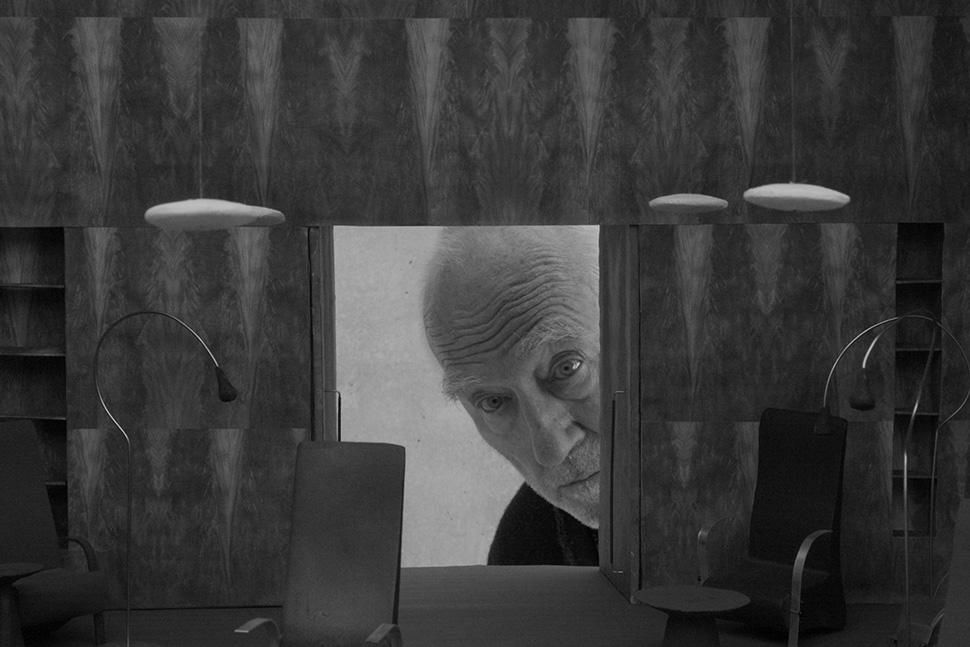
Wim Wenders utiliza una cinematografía 3D inmersiva para mostrar los influyentes edificios del arquitecto Peter Zumthor, ganador del Premio Pritzker, lo que permite a los espectadores explorar sus espacios y descubrir cómo la arquitectura moldea la percepción humana y la vida cotidiana.
Wim Wenders explores the work and philosophy of Pritzker Prize-winning Swiss architect Peter Zumthor in an immersive documentary about the powerful relationship between people and the places they visit, work in or inhabit. Filmed over more than fourteen years and captured through cuttingedge 3D cinematography, the film invites audiences to experience Zumthor’s architectural creations through the eyes of visitors, users, inhabitants or craftspeople – allowing them to walk through these spaces themselves.
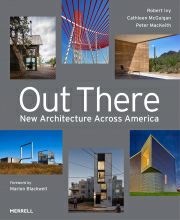
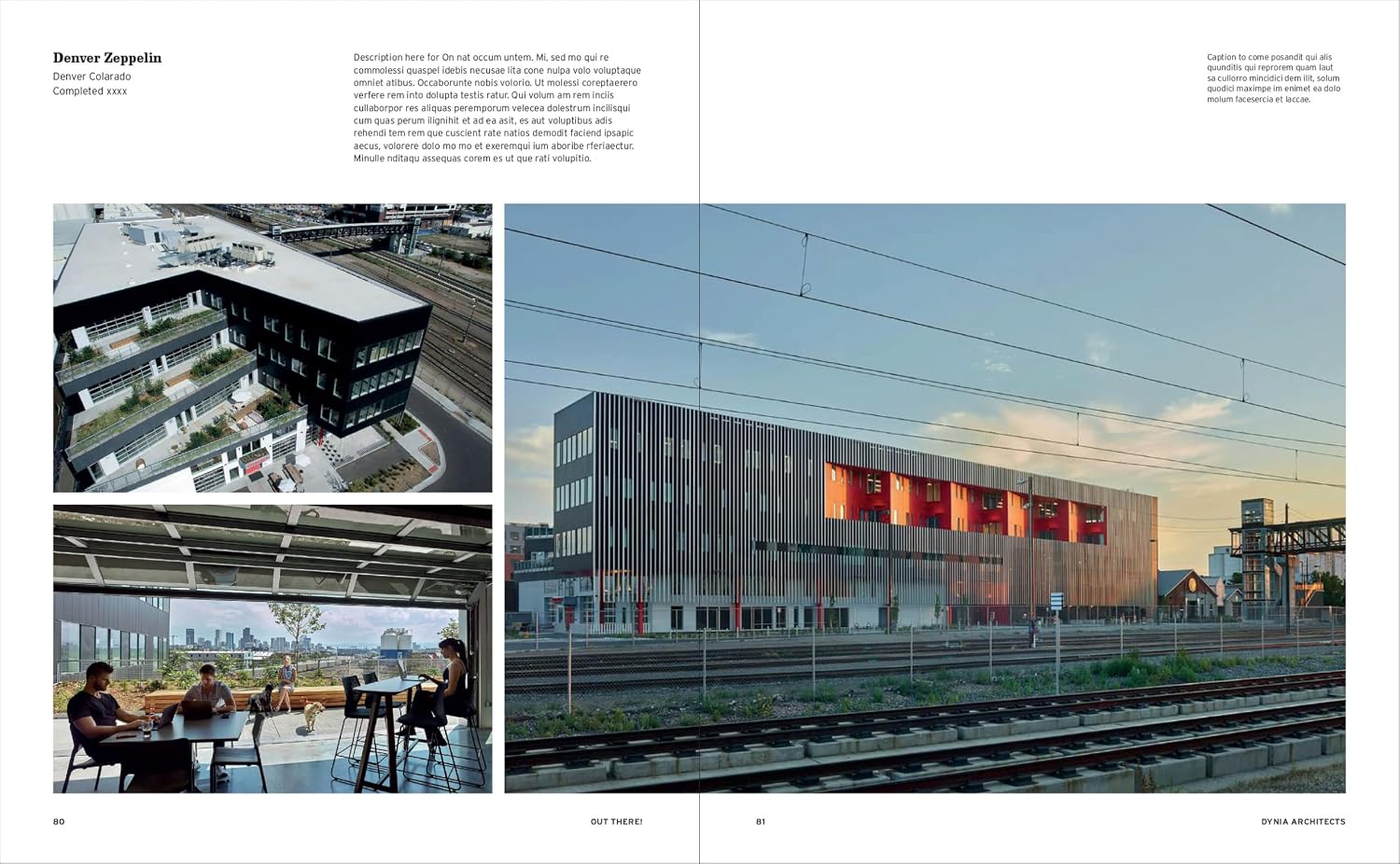
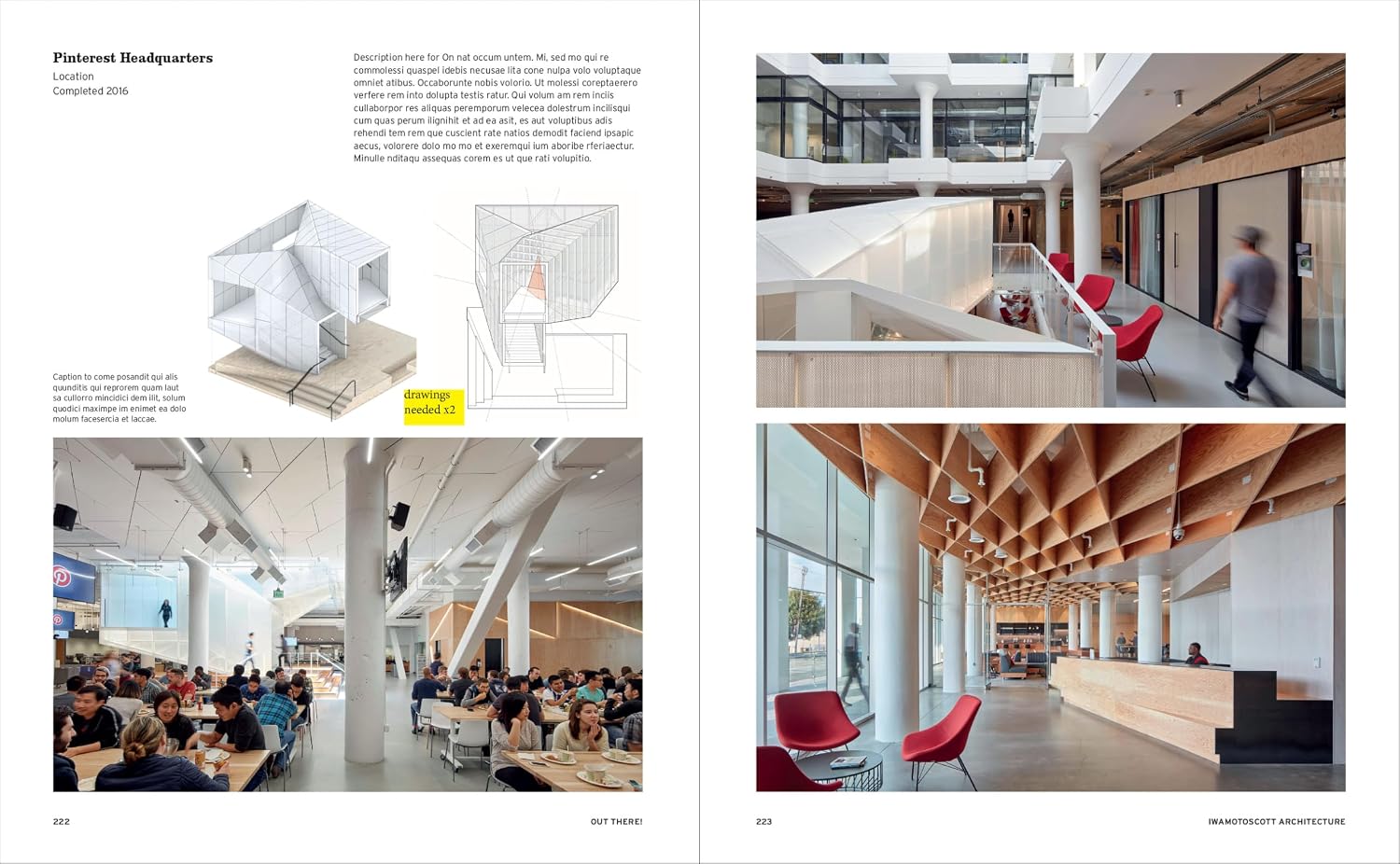
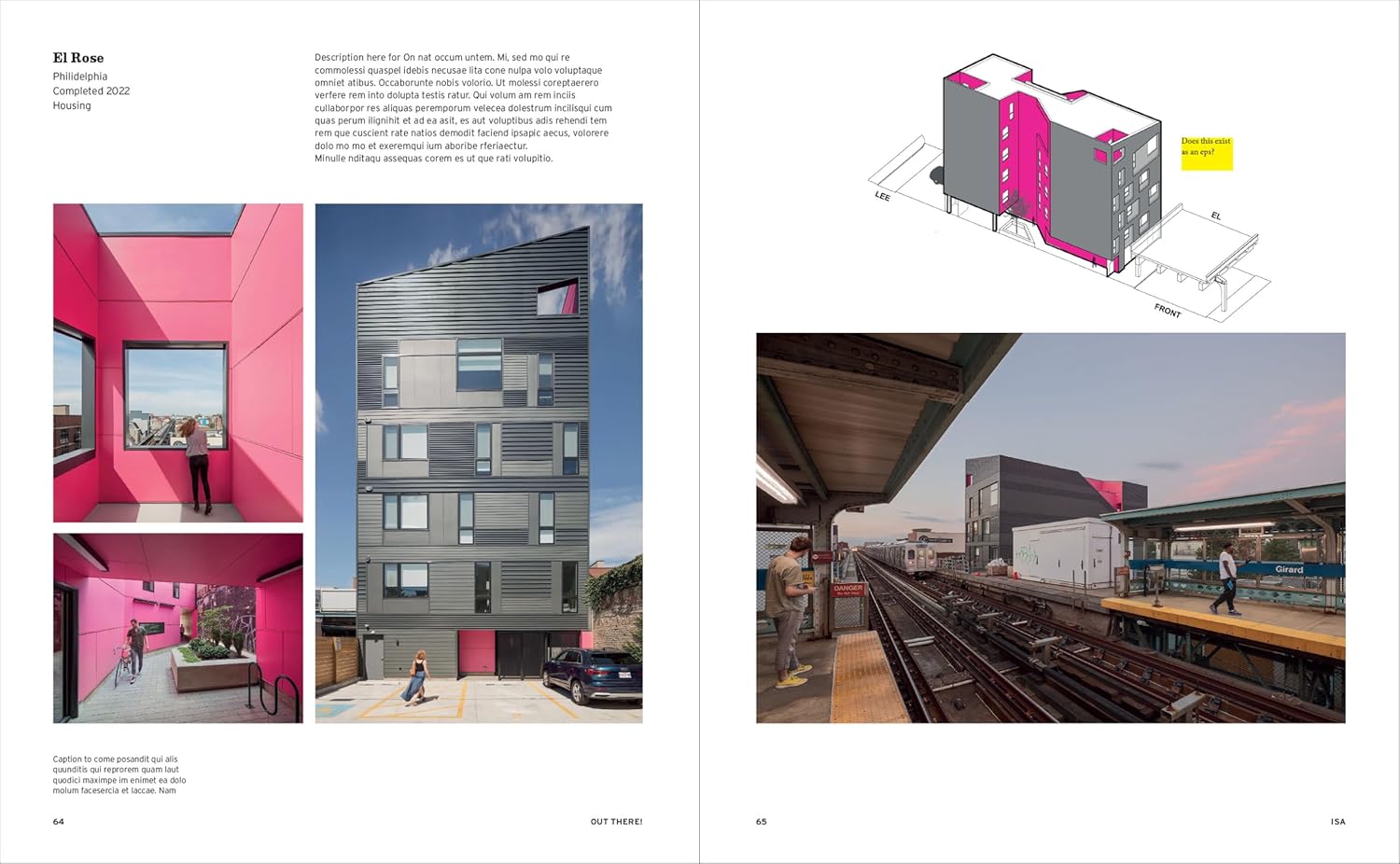
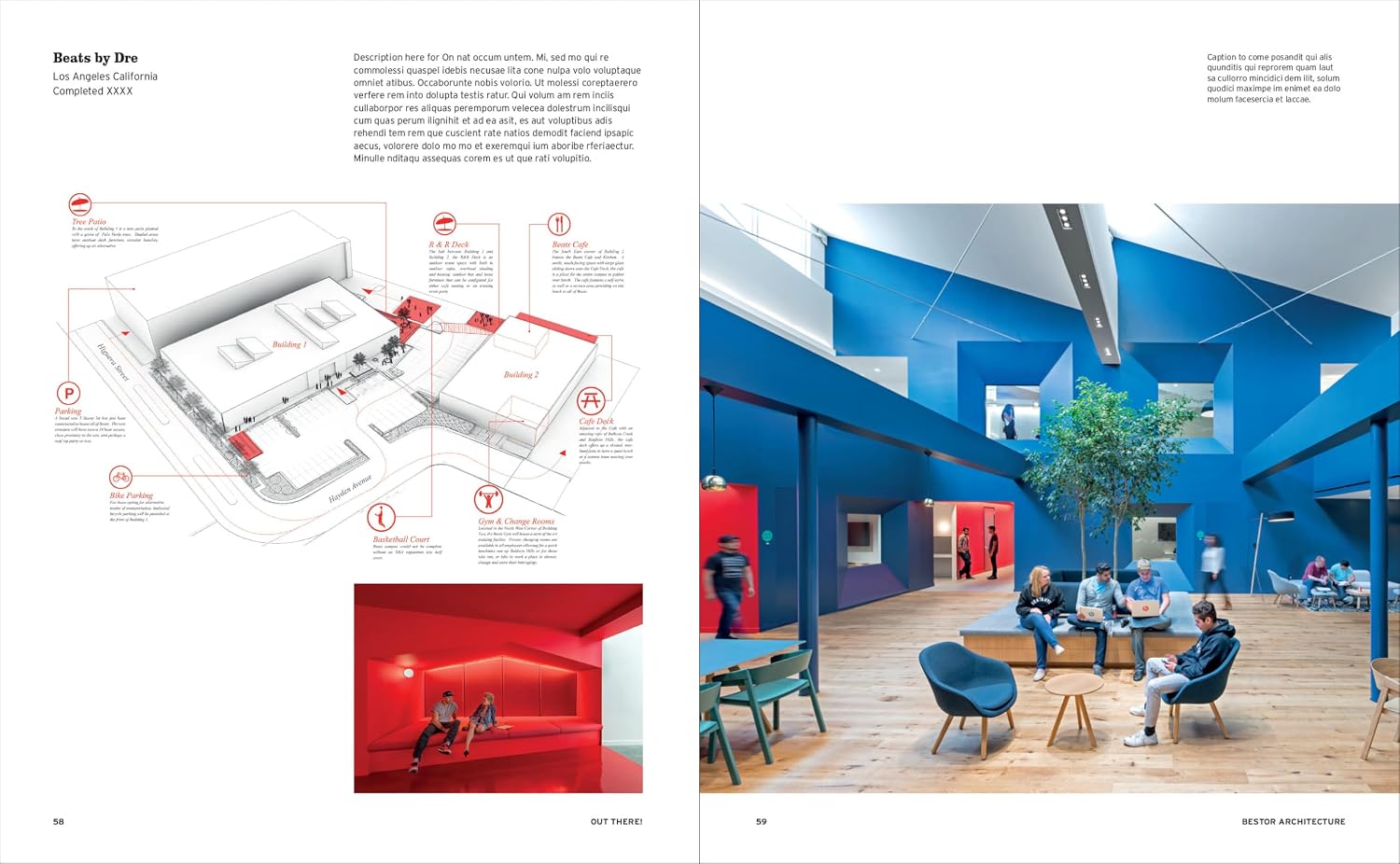
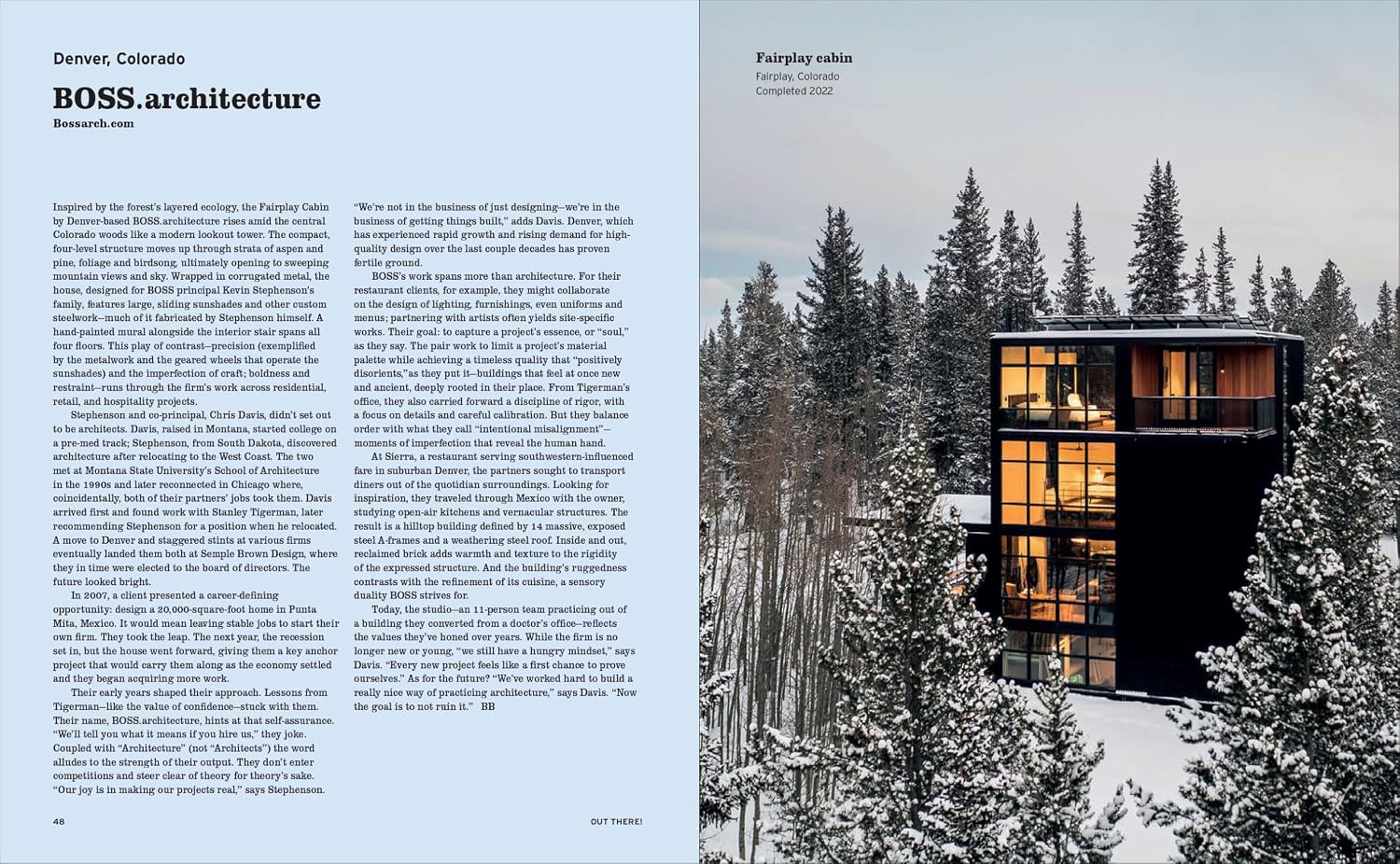
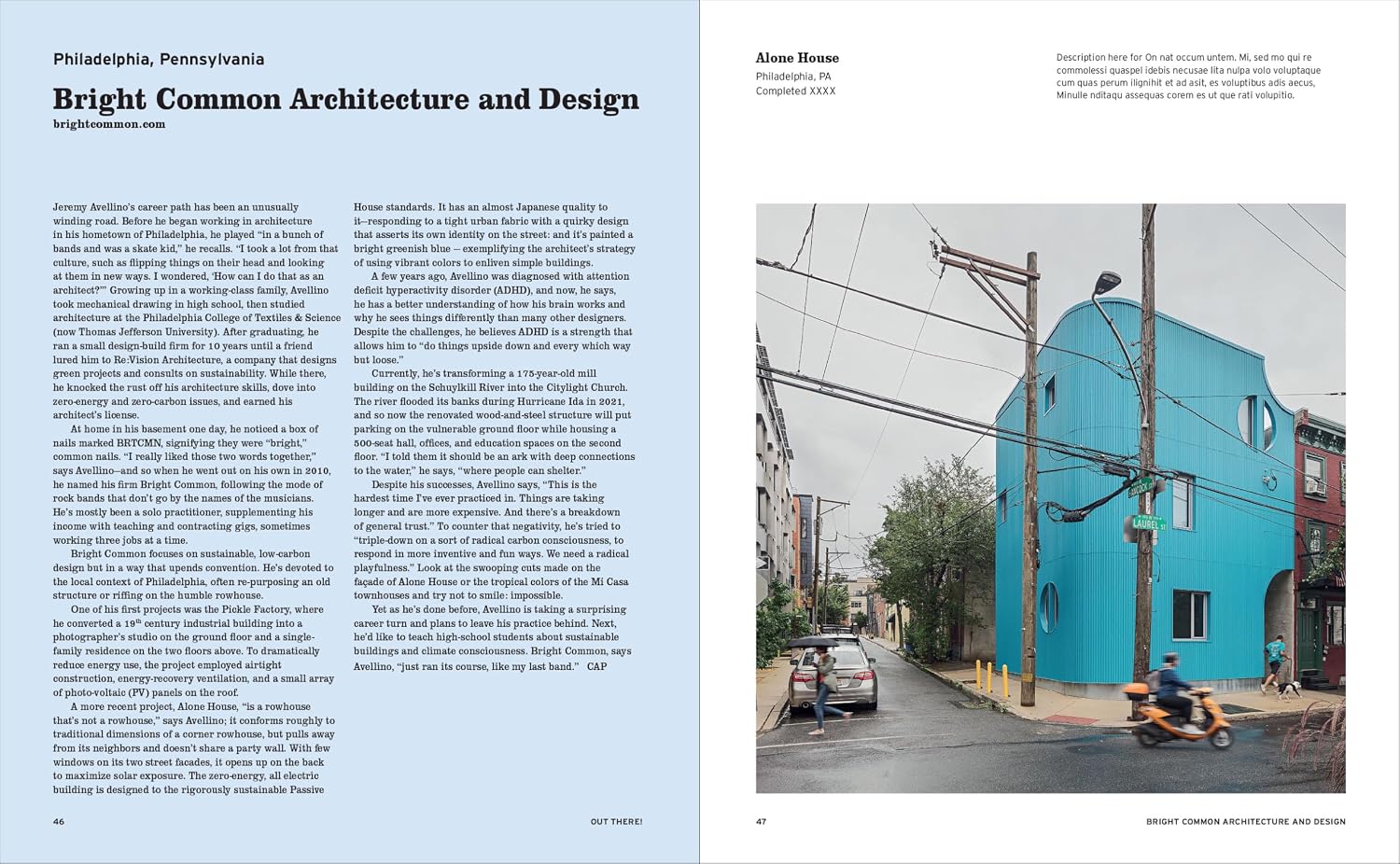
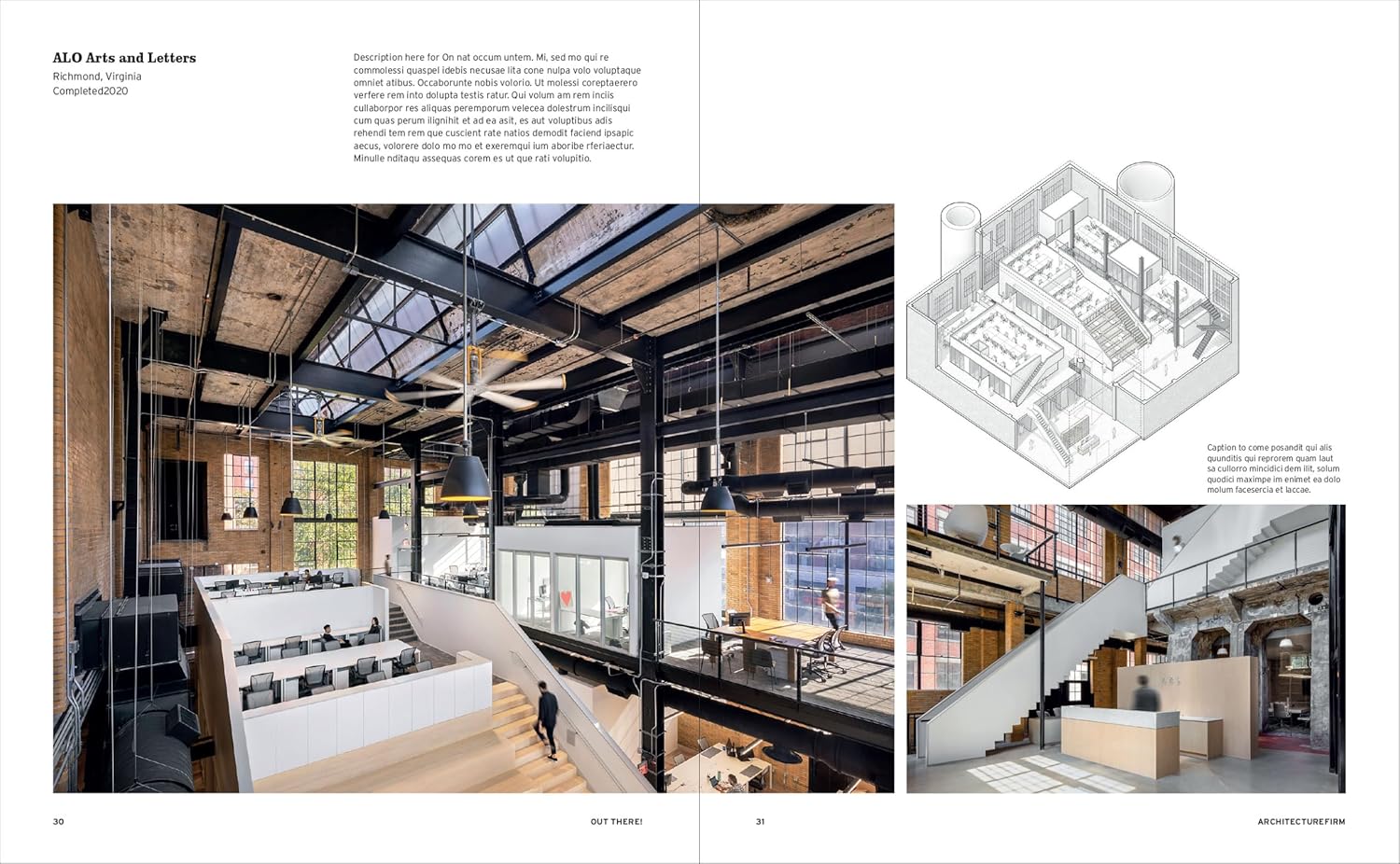
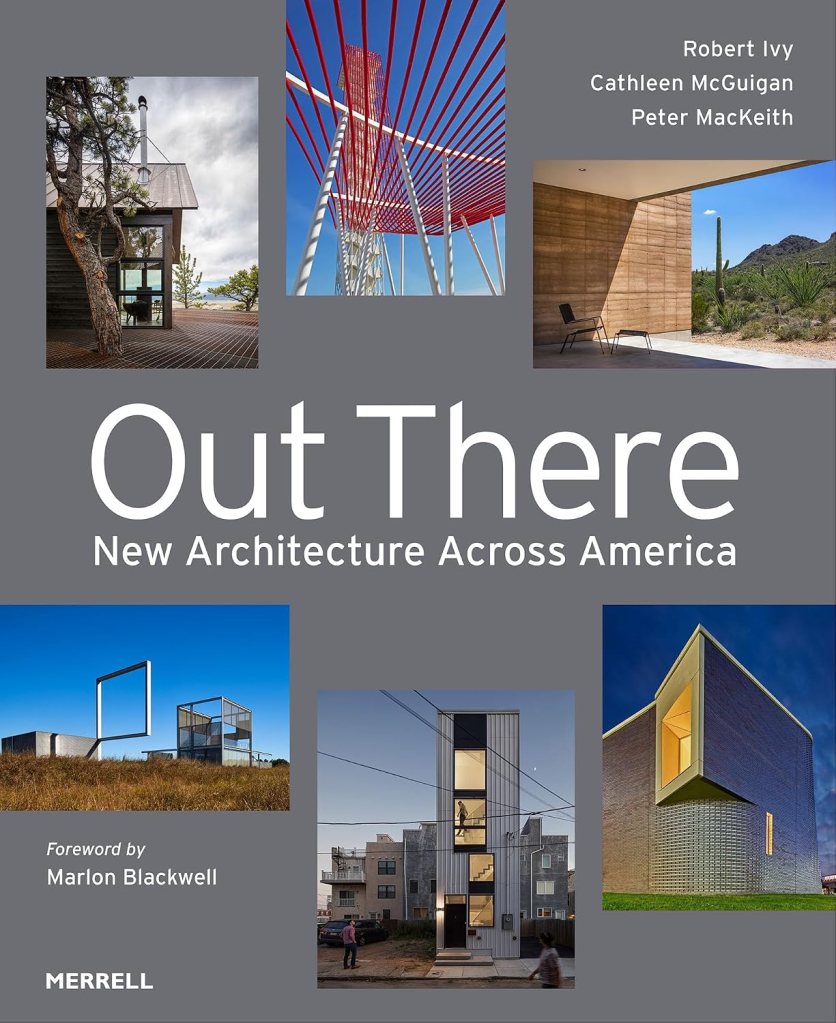
Out There is a critical survey of 50 architectural firms working across America’s regional cities and small towns. These practitioners operate at every scale and with all building types, weaving a rich architectural tapestry that reflects the breadth and diversity of the American landscape.
Each day, architects across the United States are busy planning and constructing individual homes, public buildings and civic spaces rooted in local culture and context. Yet, to many, the perception prevails that American architecture is driven largely by the traditional centres of power on the East and West coasts. Out There challenges that notion, spotlighting practices throughout the whole of the US that are deeply grounded in place and community. What unites the firms featured in this volume is a commitment to architecture’s civic, social and environmental responsibilities. Many prioritize sustainability, adaptive reuse, housing and social justice. Even in an increasingly homogenized, hyper-connected world, these architects remain locally focused
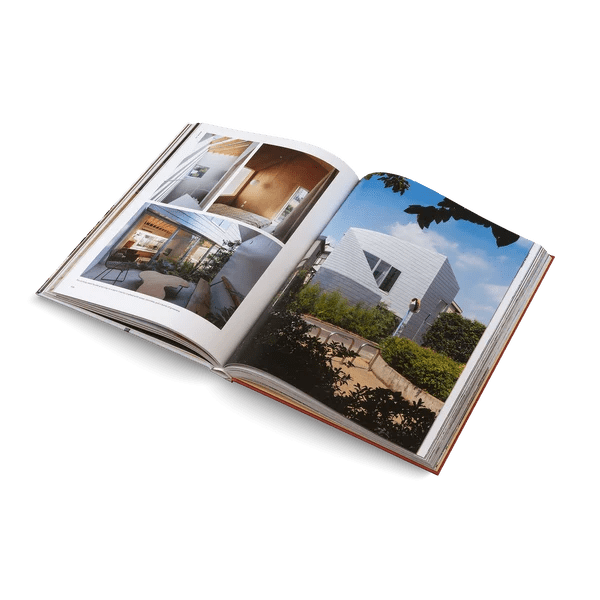
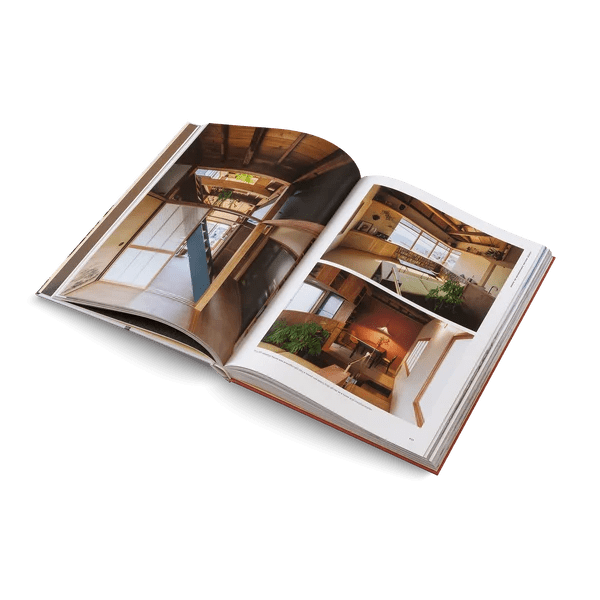
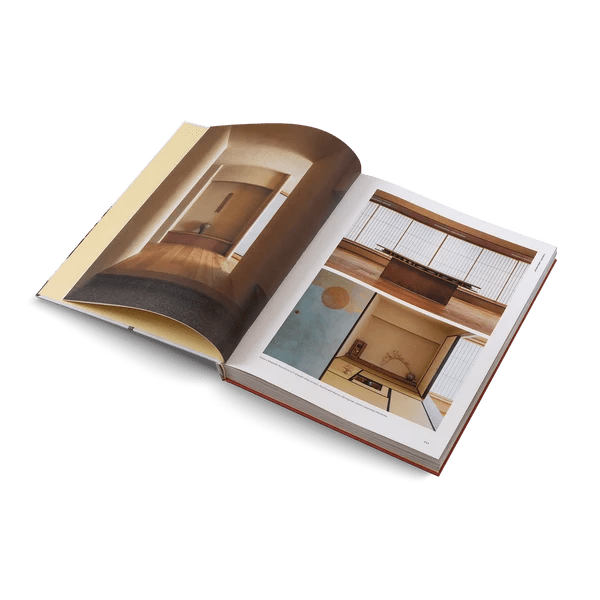
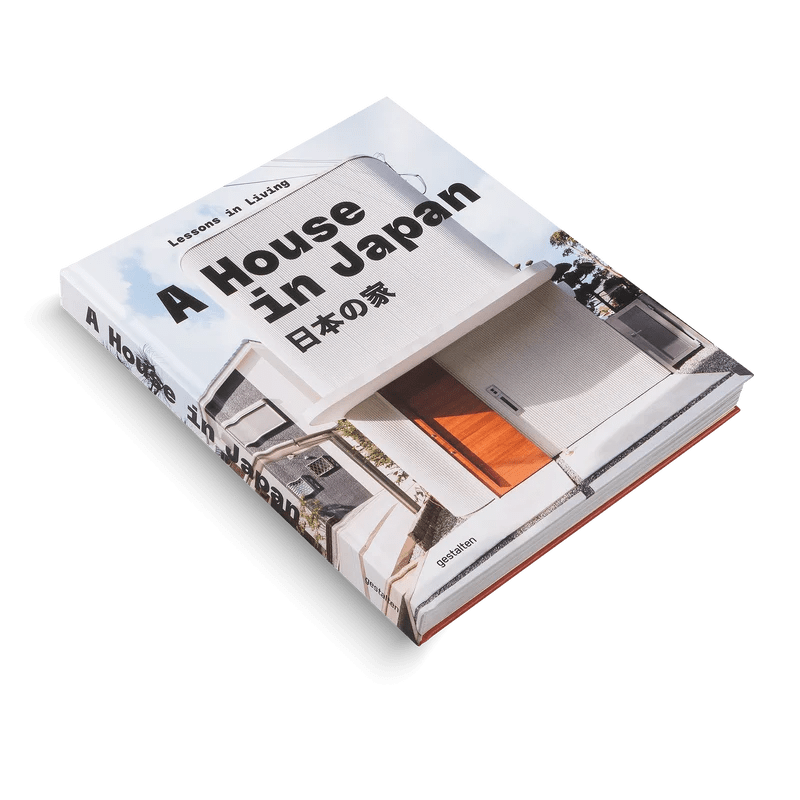
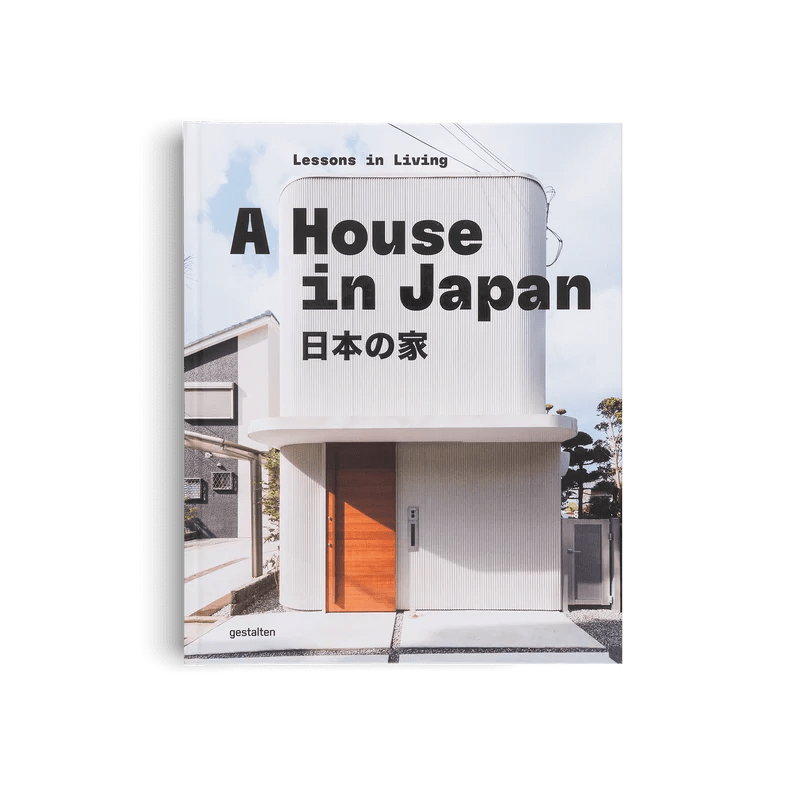
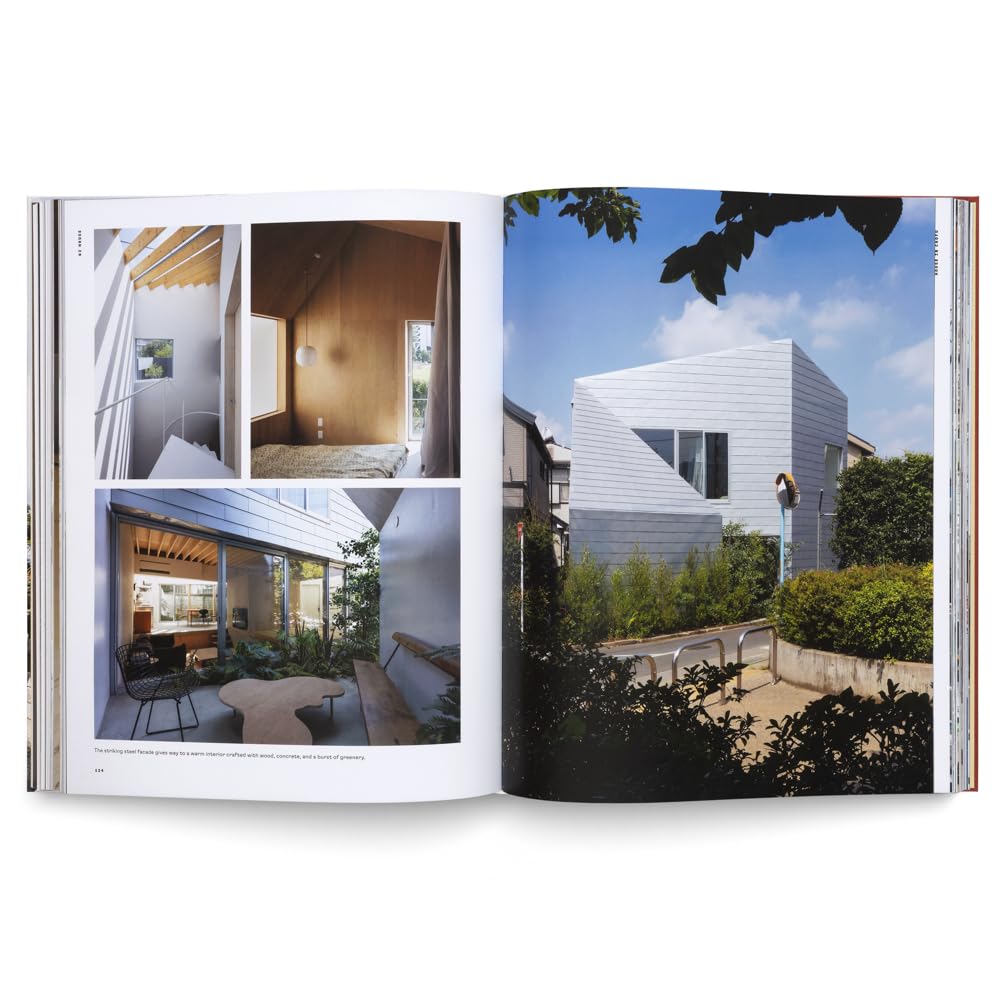
A House in Japan explores the home as a space where ideas of dwelling are constantly reimagined. In a culture shaped by precision and restraint, domestic projects become sites of quiet experimentation. These houses privilege clarity over excess, intent over display. Rigorous yet flexible, they adapt to daily rhythms while proposing fresh ways of living. The book reveals how Japanese homes, understated yet radical, show that even the everyday can be transformed into something unexpected.
Las viviendas más ingeniosas de Japón son de escala modesta, pero ambiciosas en sus objetivos. Los arquitectos del país asiático ofrecen “el enfoque más preciso e innovador sobre cómo vivir hoy en día”, según François-Luc Giraldeau, editor del libro A House in Japan: Lessons in Living (Una casa en Japón: lecciones de vivir).
“Esto es relevante hoy, ya que gran parte del mundo se enfrenta a las mismas interrogantes que Japón lleva décadas abordando”, comenta a la BBC, “cómo vivir bien con menos espacio, menos recursos y una mayor presión medioambiental”.
«Las mejores viviendas japonesas poseen una simplicidad engañosa.«
«Lo que parece minimalista suele ser el resultado de decisiones minuciosas sobre proporciones, materiales, iluminación y ensamblajes; detrás de lo que aparenta sencillez y fluidez hay una enorme maestría artesanal. El buen diseño no consiste en tener más, sino en lograr que lo existente rinda al máximo». vía BBC News Mundo








Debe estar conectado para enviar un comentario.