El artista chino Ai Weiwei presentará una exposición individual titulada “Conócete a ti mismo”, que se inaugura el 14 de septiembre en la galería alemana neugerriemschneider, donde reunirá imágenes famosas de la historia del arte -como La última cena de Leonardo Da Vinci o los “Nenúfares” de Monet– recreadas con ladrillos Lego.
La muestra del artista y activista chino, cuyas obras están realizadas con este tradicional medio lúdico, da forma a un verdadero estudio tanto del canon cultural occidental como de su propia trayectoria artística, y coincidirá con la Semana del Arte de Berlín y la edición de otoño del Gallery Weekend Berlin, informó la galería en un comunicado.
… Y las ciudades no ayudan. El problema al que se enfrenta París no es solo que haga calor, que también, sino que muchos de sus edificios no están preparados para afrontar la canícula. En julio la Escuela de Medio Ambiente de Yale le dedicó un artículo https://t.co/aTFGP8cHhr
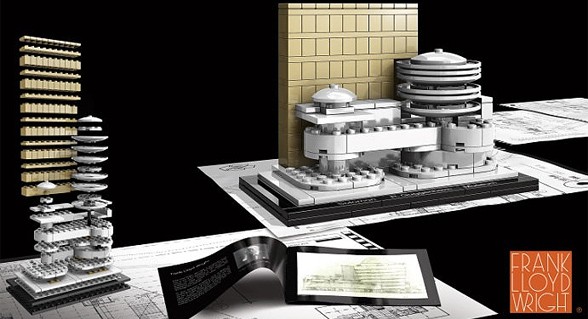
Todos los años al aproximarse Navidad y Reyes, sugiero regalar LEGO, particularmente las coleccionesArchitecture y Skyline. En esta ocasión me resultó particularmente atractivo su lema: «Vamos a reconstruir la Navidad«.
La espectacular biblioteca flotante en Tokio diseñada por Kengo Kuma https://t.co/VP5um0JTcP Como si de una película de Miyazaki se tratara, la estantería flotante que da forma a la bilioteca que hay en el corazón del Kadokawa Culture Museum de Tokio, nos invita a soñar …
Lego lo vuelve a hacer: el set con mayor número de piezas de su historia es el nuevo modelo del Coliseo de Roma. Ideal para ocupar el tiempo que la pandemia nos deja confinados.
Fuente: Lego / Gizmodo
«…Realizing that 2020 has given people lots and lots (and lots) of free time at home, today Lego announced the largest set the toymaker has ever released: the 9,036-piece Roman Colosseum letting anyone visit one of Italy’s most historic landmarks without risking their health by traveling. …»
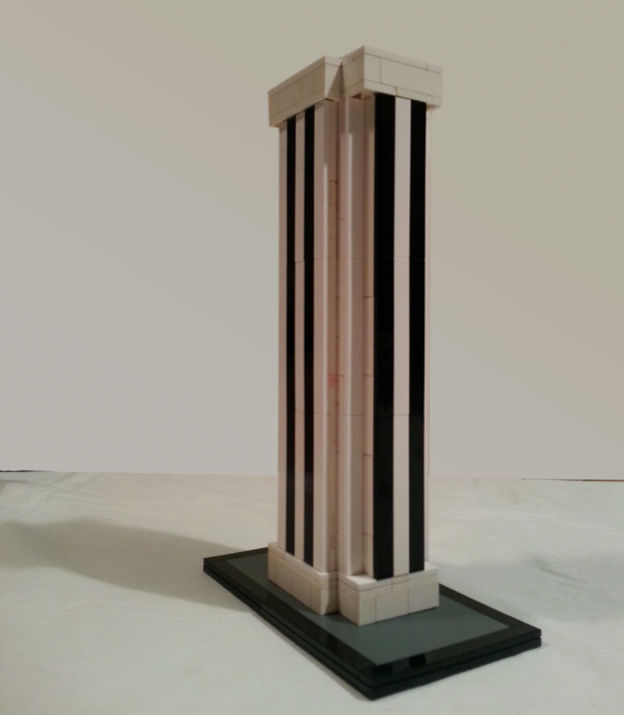
La Fundación Arquitectura COAM acogerá una exposición de 19 edificios emblemáticos construidos con piezas de Lego.
SARA NAVARRO | – Harper’s Bazaar
¿Te imaginas la Torre Picasso o la Puerta de Alcalá construidas a base de bricks de Lego? ¿Y el Big Ben de Londres o el Empire State Building de Nueva York?
Ya puedes dejar de imaginarlos, porque desde mañana y hasta el 4 de enero podrás ver éstos y otros edificios emblemáticos de la arquitectura contemporánea en la exposición que organiza la Fundación Arquitectura COAM junto con la sede del Colegio de Arquitectos de Madrid.
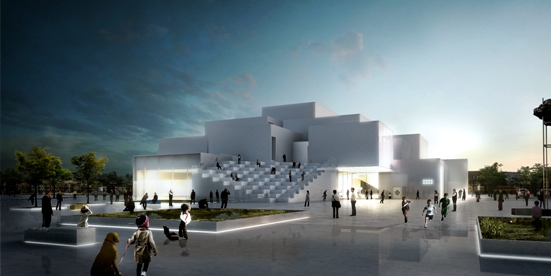
The LEGO Group today revealed the design of the experience center “The LEGO House”. The center, which will be built in Denmark, illustrates the systematic creativity of LEGO bricks and is expected to attract 250,000 visitors annually.
The LEGO House will be approximately 30 meters tall, and there will be public access to several roof-top gardens from the outside. The building will offer visitors a total of 7,600 square meters of exhibition areas, a café, a unique LEGO store and a large public square.
The LEGO Group will build the experience center “The LEGO House” in Denmark. The building illustrates the systematic creativity of LEGO bricks and is expected to attract 250.000 visitors annually. The interior of the building has not been designed yet and will look very different from what can be seen in the video.
Low Resolution (180p) Download
Standard quality (360p) Download
HD (720p) Download
Mobile: MPEG4 + AMR Download
Se han necesitado 5,3 millones de pequeños ladrillos y más de un año de trabajo. Puede verse este fin de semana en Nueva York.
La compañía danesa Legoinstaló este jueves en Times Square, Nueva York, una copia a tamaño natural de una de las célebres naves X-Wing de «La Guerra de las Galaxias». Se trata del modelo más grande jamás realizado con los conocidísimos pequeños ladrillos multicolores. Hasta ahora, el récord lo tenía el robot Lego instalado en el Mall of America, con 2 millones de ladrillos.
La nave, expuesta hasta el sábado, se compone de más de 5,3 millones de ladrillos, pesa 20 toneladas y ha necesitado 17.000 horas de trabajo de 32 personas. «Construí cosas bastante importantes para Lego, pero en realidad esta es la más grande hasta la fecha», dijo Erik Varszegi, principal constructor de Lego. «Esta es una réplica a escala del mismo tamaño que la nave realizada para la película», agregó, según recoge Afp.
La construcción llevó más de un año. El modelo fue diseñado por primera vez en la República Checa; luego se envió en barco a Estados Unidos dividido en 34 piezas, y se almacenó en New Jersey, antes de llegar a Times Square en camiones en la noche del miércoles al jueves.
Building Lego towers is a competitive business – this one in Prague, at 32.5m, may be the tallest to date – BBC News
It’s not just children who like to build towers with Lego– the internet is alive with discussion on how many Lego bricks, stacked one on top of the other, it would take to destroy the bottom brick. So what’s the answer?
It’s a trivial question you might think, but one the Open University‘s engineering department has – at the request of the BBC‘s More or Less programme – fired up its labs to try to answer.
«It’s an exciting thing to do because it’s an entirely new question and new questions are always interesting,» says Dr Ian Johnston, an applied mathematician and lecturer in engineering.
Looking on the internet, he expected to find the answer, but was surprised to find only a lot of speculation.
Perhaps that’s because not everyone who has pondered the question has ready access to a hydraulic testing machine.
El museo arqueológico Helms de la ciudad alemana de Hamburgo (norte) recrea a partir de hoy en una exposición para toda la familia la historia de la humanidad a partir de 1,5 millones de piezas «lego».
La muestra, que llevo por título «Viaje por el tiempo de lego», ilustra en 30 metros doce paisajes que abarcan desde un campamento neandertal hasta una estación espacial, pasando por la Antigua Roma, con sus romanos y gladiadores de lego. Para construir los paisajes, que ya pudieron verse anteriormente en el Museo Neandertal de Mettmann (oeste), sus constructores han tenido que invertir cinco meses.
La exposición, que sucede a la exitosa muestra sobre la Edad de Hielo, reproduce detallados escenarios de la historia de la humanidad con los populares bloques de plástico de Lego. Así, el visitante puede ver a los hombres de la prehistoria a la caza del mamut, a los gladiadores luchar en la arena y a los colonos americanos conducir a sus rebaños por las llanuras.
Entre las diversas maquetas realizadas figuran paisajes como los Jardines Colgantes de Babilonia, la Gran Pirámide de Guiza y la Gran Muralla china, así como modelos de barcos vikingos, castillos de la Edad Media y naves espaciales. Esta exposición se complementa con objetos originales de la colección del museo arqueológico para ilustrar los diferentes espacios recreados, como un bifaz (hacha de piedra) de un cazador de mamuts, tablillas cuneiformes de Meosopotamia, cerámica del Egipto de los faraones y puntas de flechas de indios de Norteamérica.
Geschichte rekonstruiert aus tausenden Lego-Steinen – im Archäologischen Museum Hamburg können Besucher die Geschichte des Menschen ab sofort im Miniaturformat erleben. Archäologische und mythologische Highlights wie die Cheops-Pyramide oder der Turmbau zu Babel sind ebenso zu sehen wie ein Lager von Neandertalern. Es gibt viel zu entdecken und natürlich auch einen Bau- und Spielbereich für Kinder.
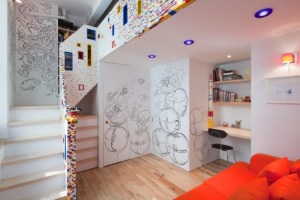
When the son of Melissa Marks and Vicente Caride got too old not to have a door on his bedroom, they decided it was time to make some renovations to their New York loft apartment. So they called in I-Beam Design for help, and together with LEGO artist Sean Kenney, they built a new stair railing and wall out of 20,000 LEGO bricks. Colorful, flexible, and very fun, this renovated space beautifully showcases everyone’s favorite building block.
Using mostly primary colors, the kid’s room is minimal and playful. I-Beam designed the 20,000 LEGO blocks staircase, while artist Sean Kenney worked with the family to create a pleasant flow of receding or intensifying color up and down the stairs. The apartment’s color palette offers a soft background for the LEGO-inspired touches of colors and the iconic furniture — like the Barcelona Chair — placed throughout the space.
The stark kitchen was made using another Nordic classic, IKEA cabinets, and features splashes of colors like the Blu Dot red chairs and shiny blue backdrop. Sliding walls also serve as exhibition walls to reveal or conceal different areas of the house, like the modern looking dinning room. Playful, colorful, modern and very arty, this wonderful New York apartment shows that LEGOs are good for much more than child’s play.
Here you can vote for your favourite architectural icon. We can’t promise to build it, but we do promise to be inspired by you. Habitat 67, designed by Moshe Safdie, was the most popular among the 10 architectural masterpieces profiled on the site in the first round of Vote and Inspire. It is now a candidate for a futureLEGO Architecture set, but it takes more than popularity to make the grade as a LEGO Architecture icon.
architecture.lego.com
Here are another 10 fantastic buildings to vote for – which one do you like?
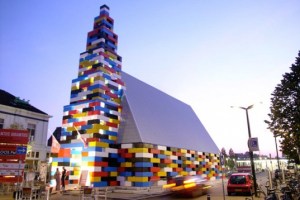
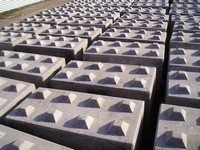
Whether it be christmas trees, greenhouses, or exotic animals, we have a voracious appetite for large-scale LEGO constructions. Dutch design firm LOOS.FM expanded on the life-size LEGO trend with Abondantus Giganticus, a 20 meter tall church-shaped temporary pavilion created for last year’s Grenswerk Festival in Enschede, The Netherlands. The structure was constructed from Legioblocks, which are completely reusable, stackable concrete construction blocks the size of pyramid stones which are typically put to use in industrial applications. As their name suggests, Legioblocks lock together in much the same way as their plastic counterpart, proving to be a versatile, efficent construction solution. In Abondantus Giganticus, LOOS.FM painted the blocks to reference the construction toy after which Legioblocks are named.

























 Arquitectonico
Debe estar conectado para enviar un comentario.